LAB / EXPERIMENT 01
RestEasy
What if better sleep required less technology in the bedroom — not more?
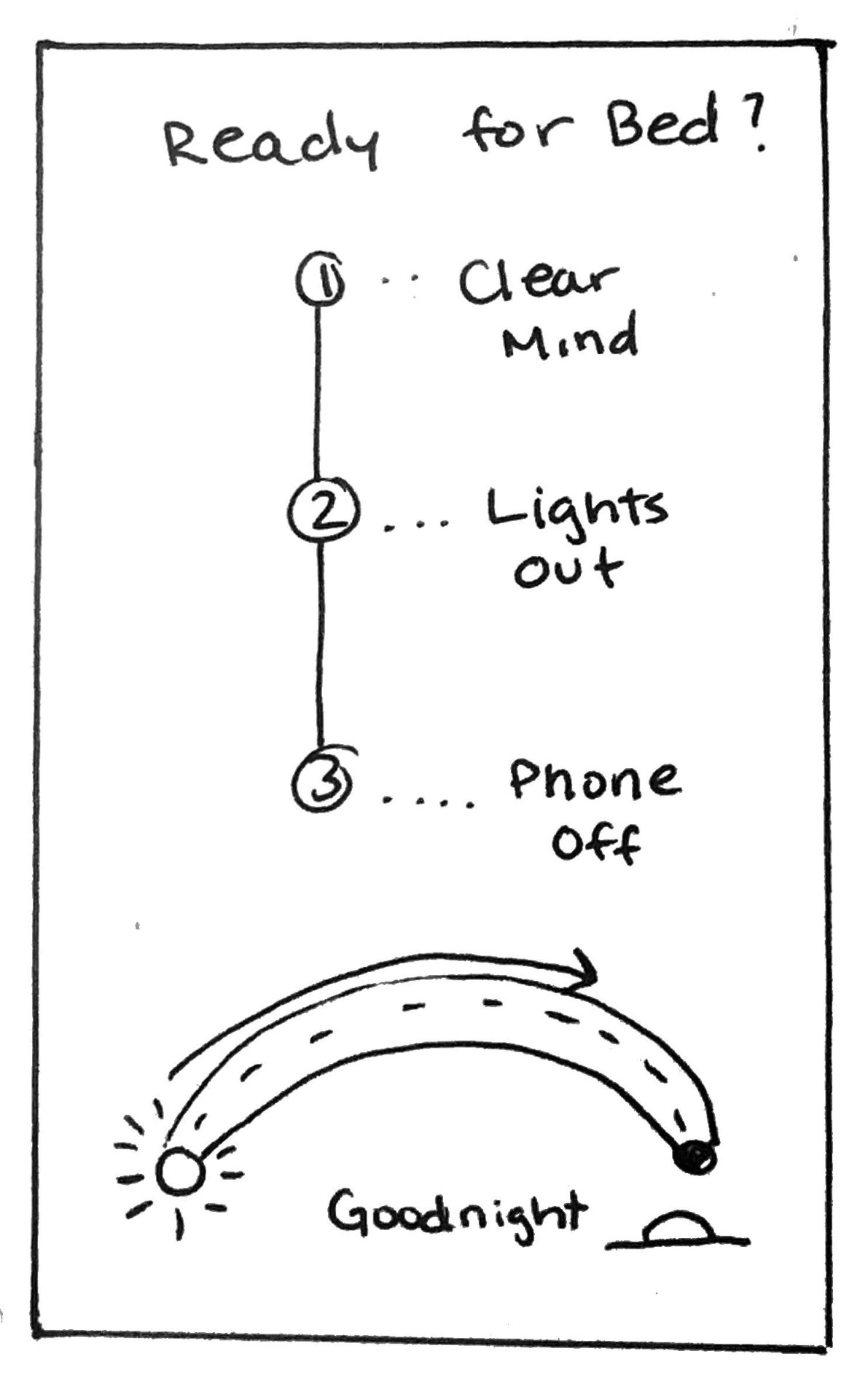
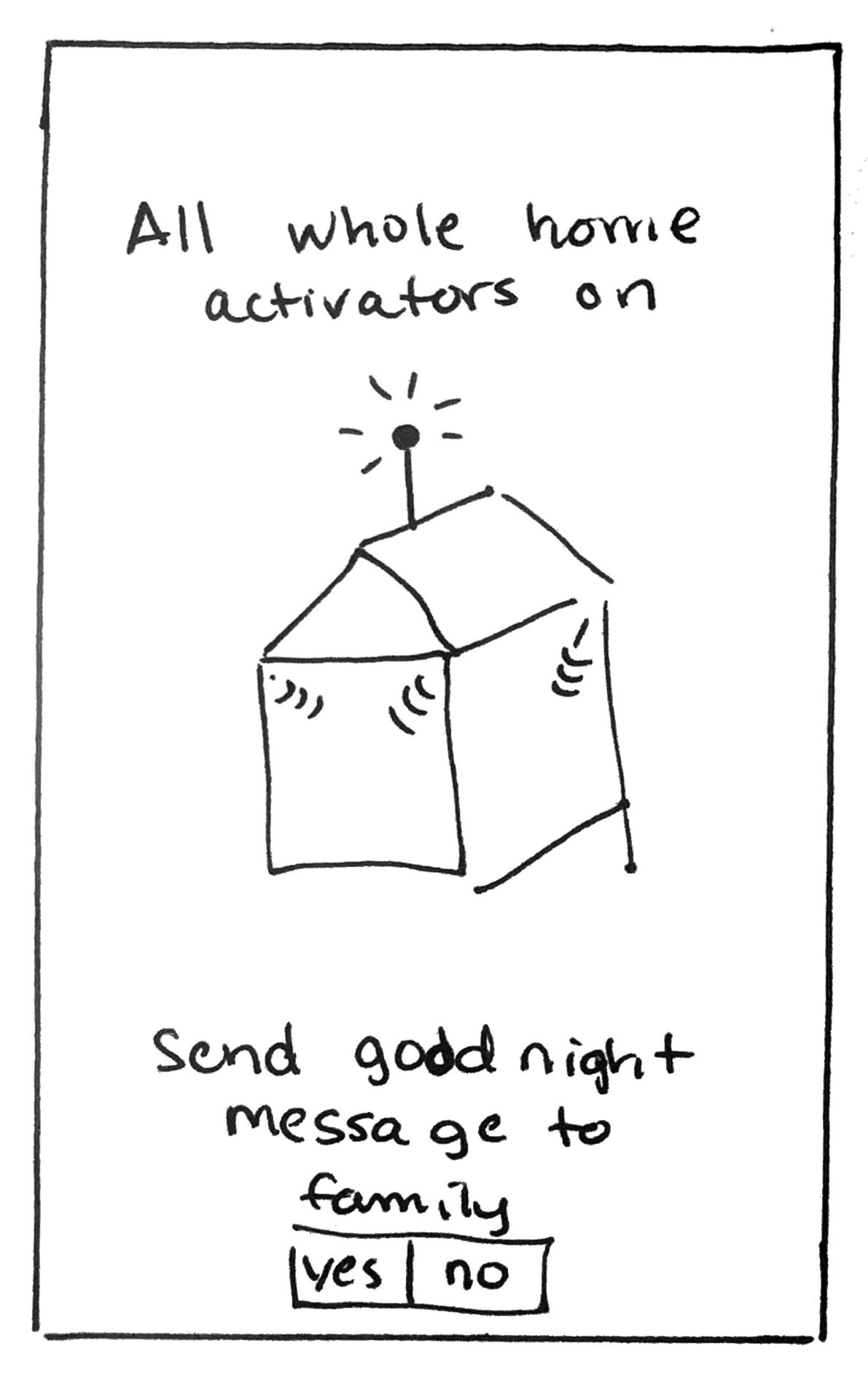
I explored whether the home itself could manage the nighttime routine — so the phone didn't have to stay beside the bed.
SLEEP · RECOVERY · BEHAVIOR · AMBIENT COMPUTING
THE QUESTION
Can we disconnect without becoming unreachable?
The experiment started with a tension: people wanted distance from their phones at night, but still wanted confidence that someone important could reach them in an emergency.
I started by mapping everything the phone had quietly taken over.
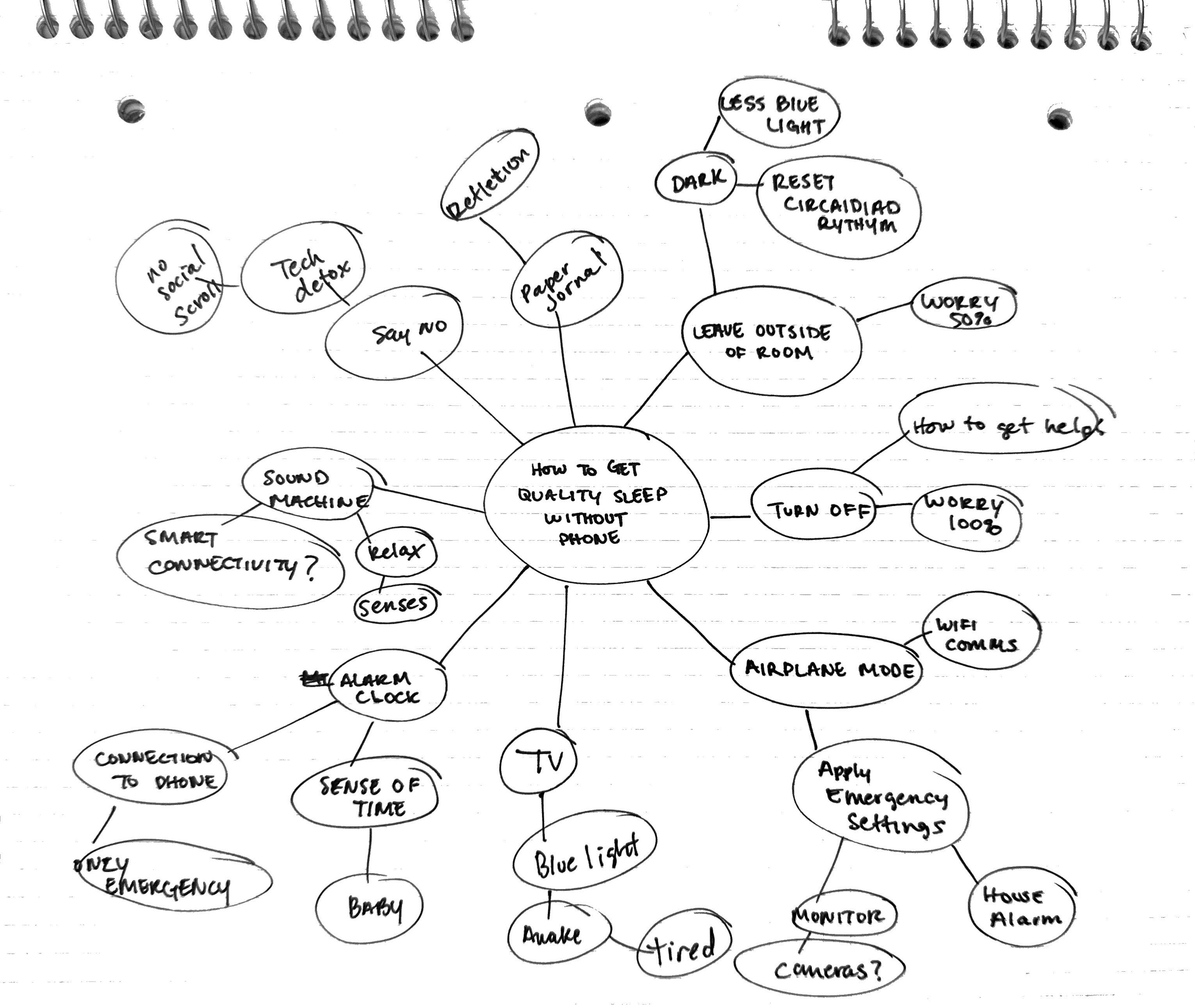
The phone wasn't the only problem. It was doing too many jobs.
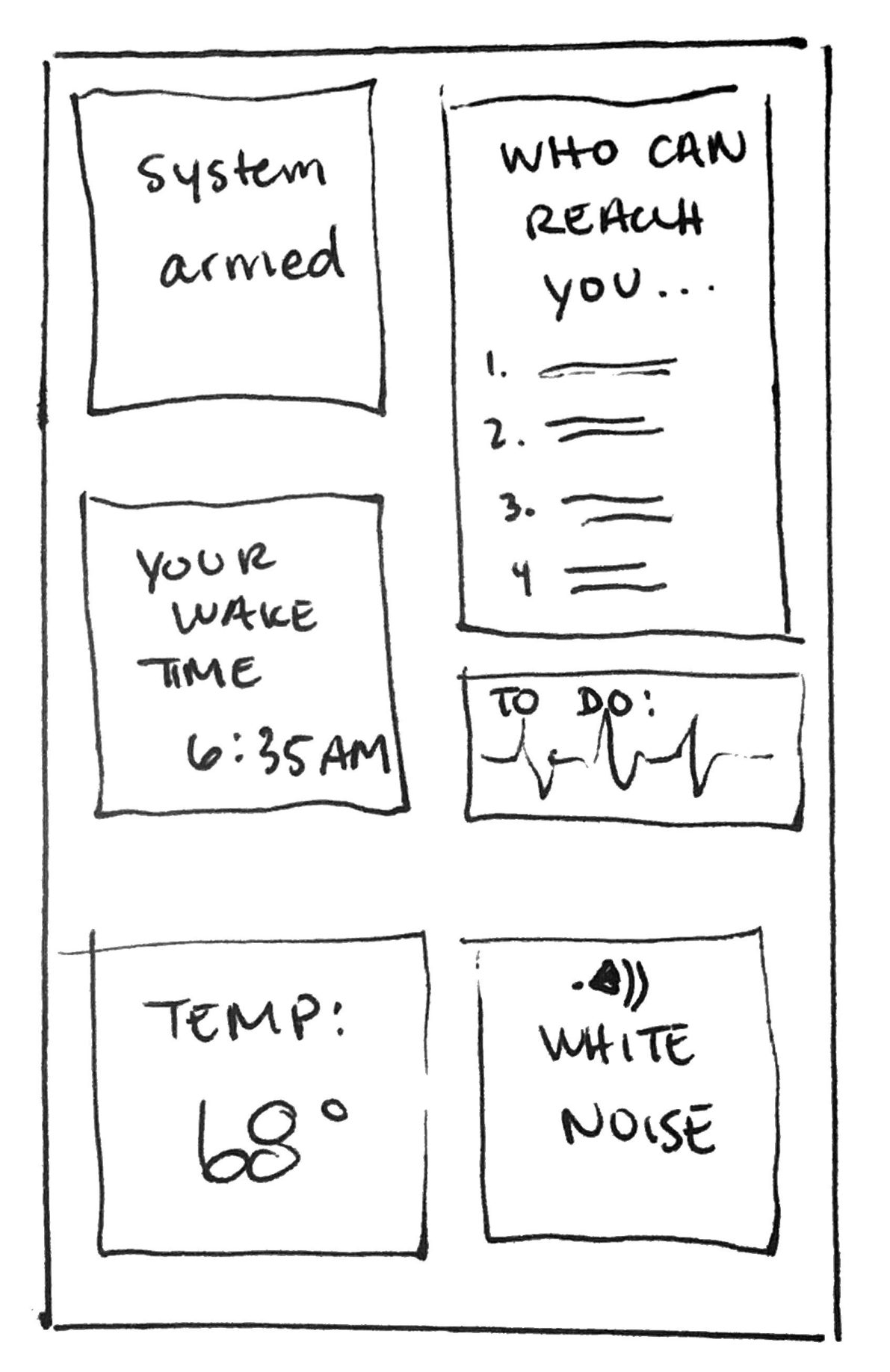
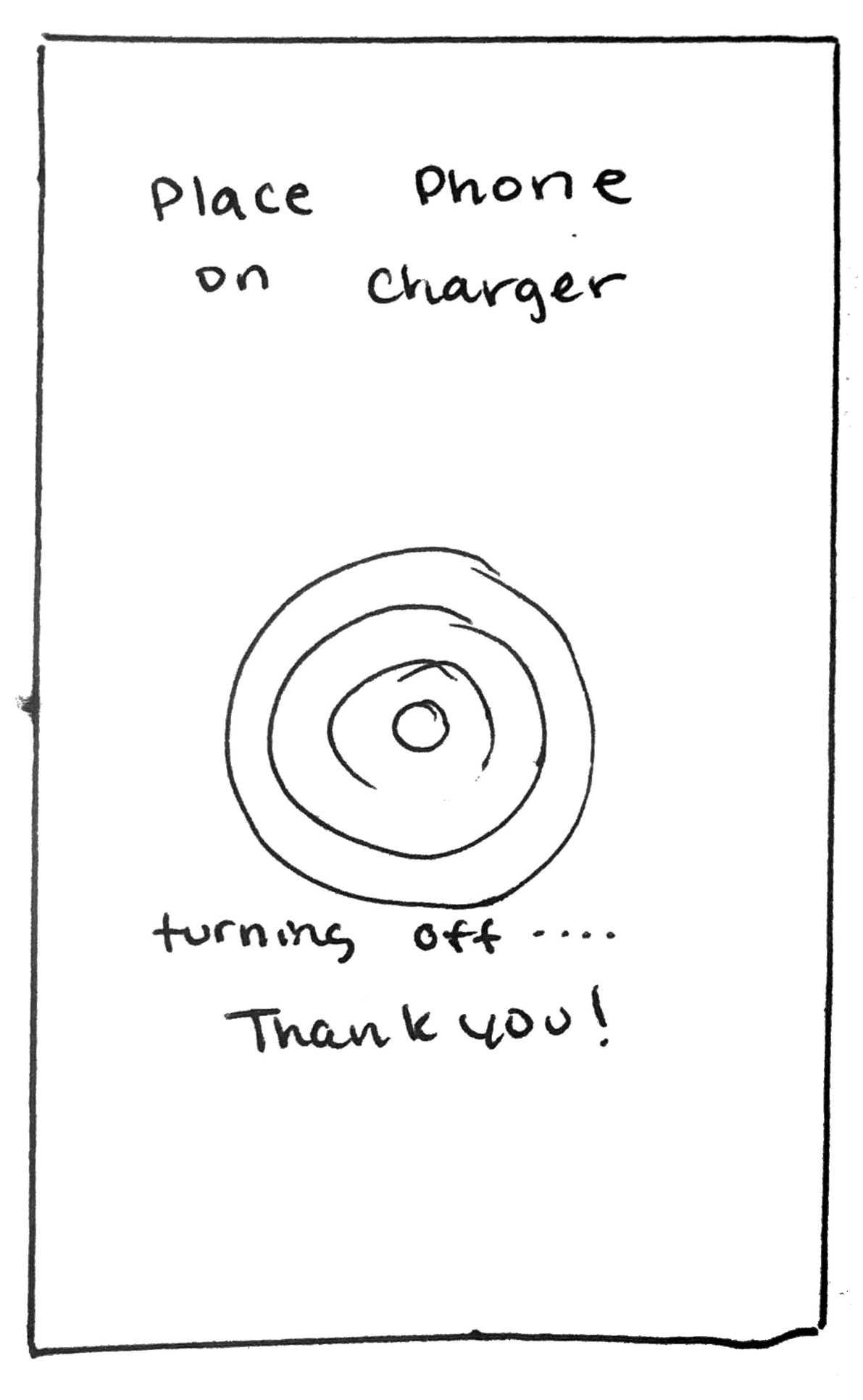
WHAT I FOUND
Rest is personal.
- 01
PERSONALIZE THE ENVIRONMENT
The ideal sleep environment isn't universal. Sound, light, temperature and routines can respond to what actually helps someone settle and recover.
- 02
KEEP WHAT MATTERS REACHABLE
Disconnecting only works when it still feels safe. Trusted people and genuine emergencies need a way through without requiring the phone beside the bed.
- 03
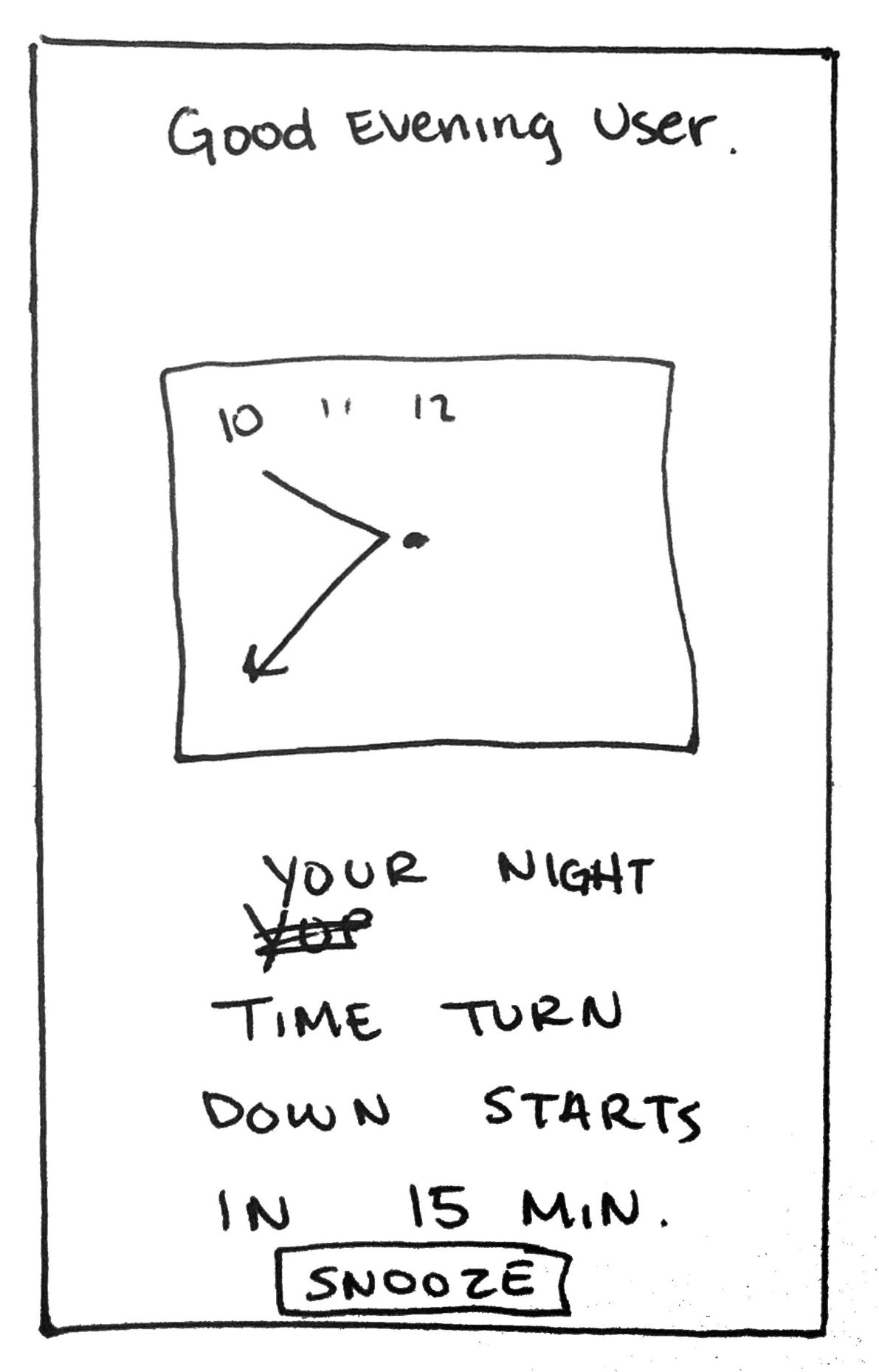
AUTOMATE THE ROUTINE
People were willing to set preferences once if the system could remove repeated nighttime tasks later.
WHERE IT LED
Could the system learn what actually helps you recover?
The project started with sleep automation, but it opened a larger question: could personal health signals, preferences and the environment work together to help someone recover — not simply report what happened afterward?
- SLEEP
- RECOVERY
- BEHAVIOR
- LONGEVITY
WHAT I LEARNED
Sometimes the healthiest interaction is no interaction at all.
The opportunity wasn't another sleep dashboard. It was using what the system knew to quietly make rest easier.
CURRENTLY CURIOUS ABOUT
SLEEP · RECOVERY · WEARABLES · PERSONALIZED HEALTH · AMBIENT COMPUTING · LONGEVITY