LAB / EXPERIMENT 02
AI Workflows
I've always thought by making — sketching, diagramming, prototyping and giving an idea enough form to react to it.
AI has dramatically shortened the distance between those first marks and something I can actually examine.
EXPLORATION · PROTOTYPING · AI · SPATIAL DESIGN · HCI
THE QUESTION
What happens when making becomes almost instantaneous?
The tools are getting faster. An idea that once took days or weeks to visualize can now take hours — sometimes minutes.
I wanted to understand what that changes about the designer's role.
THE HYPOTHESIS
Faster tools make human judgment more important, not less.
Before there is a prompt, there is still a question.
I sketch to understand the problem, give it constraints, move things around and discover what I don't know. AI enters after that — helping me explore possibilities faster and giving me something more tangible to question.
- QUESTION
- SKETCH
- STRUCTURE
01 / RECOVERY ROOST
From a rough sketch to a place I could walk through in my head.
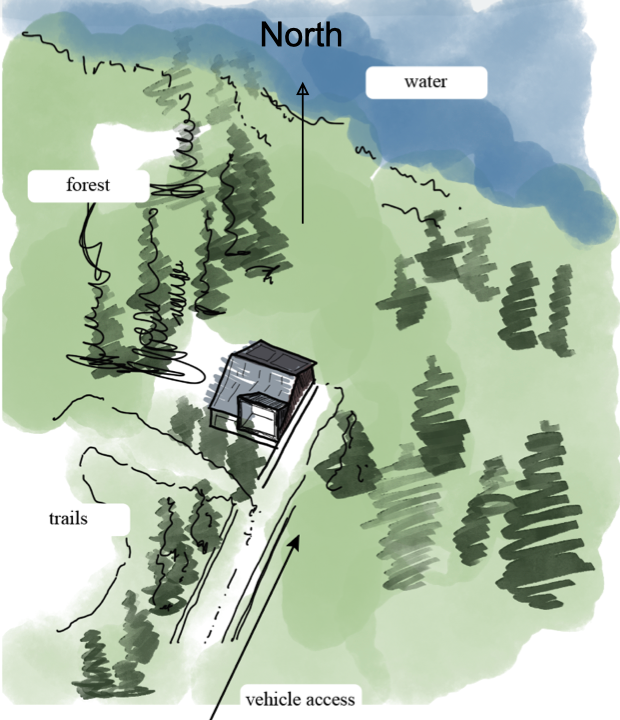
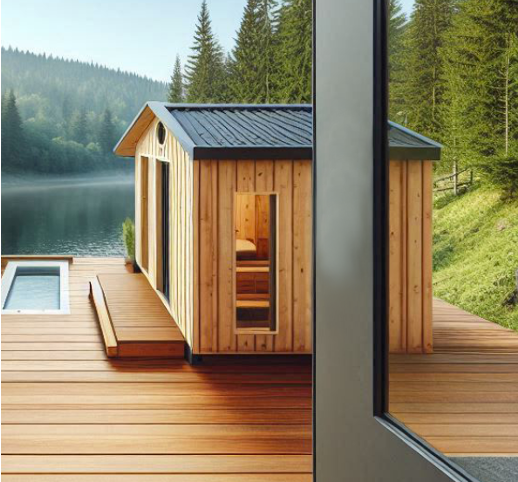
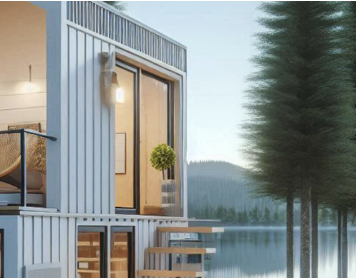
Recovery Roost began as a spatial question: how might a very small home be designed around recovery, wellness and connection to nature?
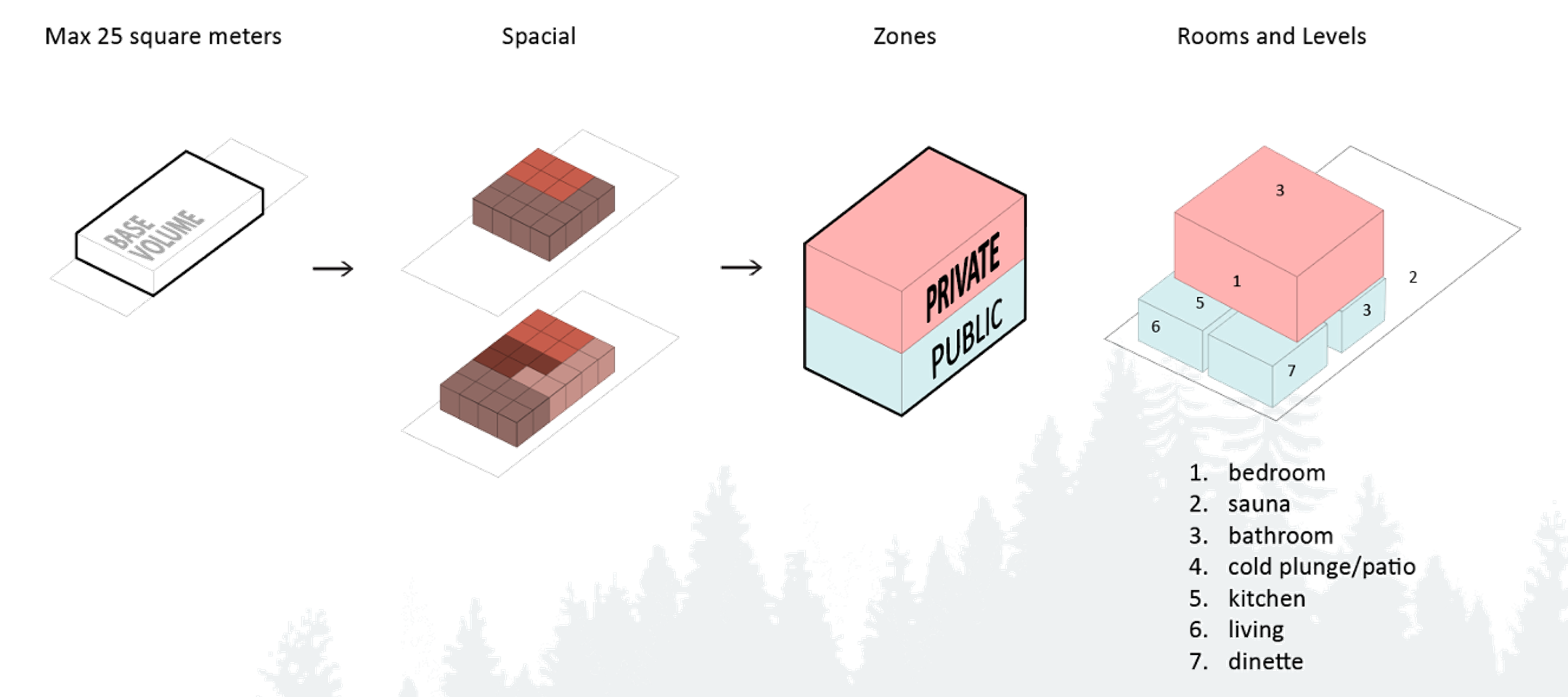
I worked through the idea by hand first — sketching layouts, separating public and private space, thinking through movement, constraints and the relationship between the home and its environment.
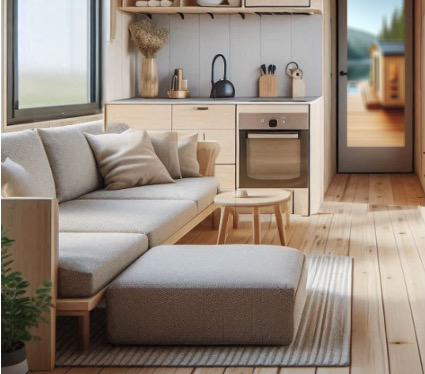
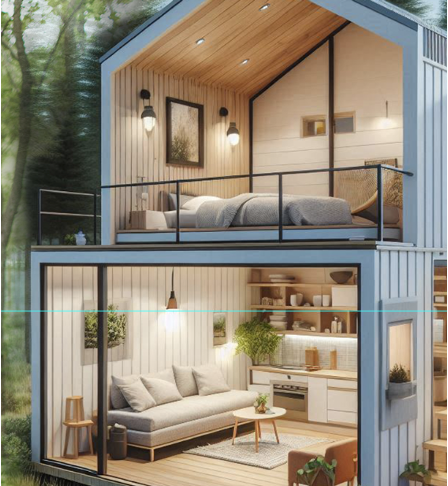
Then I used digital and AI-assisted tools to push the idea further: testing spatial arrangements, visualizing materials and atmosphere, and seeing how the concept felt once it became a place instead of a diagram.
- SKETCH
- STRUCTURE
- CONSTRAIN
- GENERATE
- EVALUATE
- REFINE
02 / PETITE PALACE
Then I used the same tools to imagine something that didn't exist at all.
Petite Palace started with a different question: what if technology could change our perception of how much space we have?
Instead of designing only within physical square footage, I explored virtual home extensions — spaces that could expand the experience of home through immersive technology.
AI and emerging visualization tools helped me move quickly between product thinking, spatial design, interface concepts and speculative environments.

- IMAGINE
- REPRESENT
- EXPERIENCE
- QUESTION
The value wasn't simply producing more images.
It was being able to make an unfamiliar idea visible enough to interrogate.
WHAT CHANGED
My workflow is becoming less linear.
I used to think of the process as moving from idea to design to prototype.
Now it behaves more like a loop.
- WONDER
- SKETCH
- MAKE
- REACT
- QUESTION
- CHANGE
- MAKE AGAIN
Each pass makes the idea more specific. AI lets me move through those passes faster — but speed only matters if I'm still willing to stop, look and decide what should change.
WHAT I LEARNED
The bottleneck is moving from making to deciding.
AI can help generate an image, explore a spatial concept, prototype an interface or turn an idea into working software remarkably quickly.
But it still needs someone to ask the question, frame the problem, recognize what isn't working and decide what deserves to become real.
The tools got faster. The thinking still starts here.
make → look → question → make again
CURRENTLY EXPLORING
CLAUDE · GEMINI · MCP · RAPID PROTOTYPING · IMAGE GENERATION · HUMAN–AI WORKFLOWS